


KNOW BEFORE YOU SIGN
A law was changed in Indiana in 2024 requiring public schools accommodate offsite religious instruction during the school day yet remain “hands off” these privately-run programs.
This means they DO NOT vet the program, the instructors, the facility, or your child's safety.
Your school’s current position is likely that if you sign, YOU take on all responsibility and risk.
What Is LifeWise?
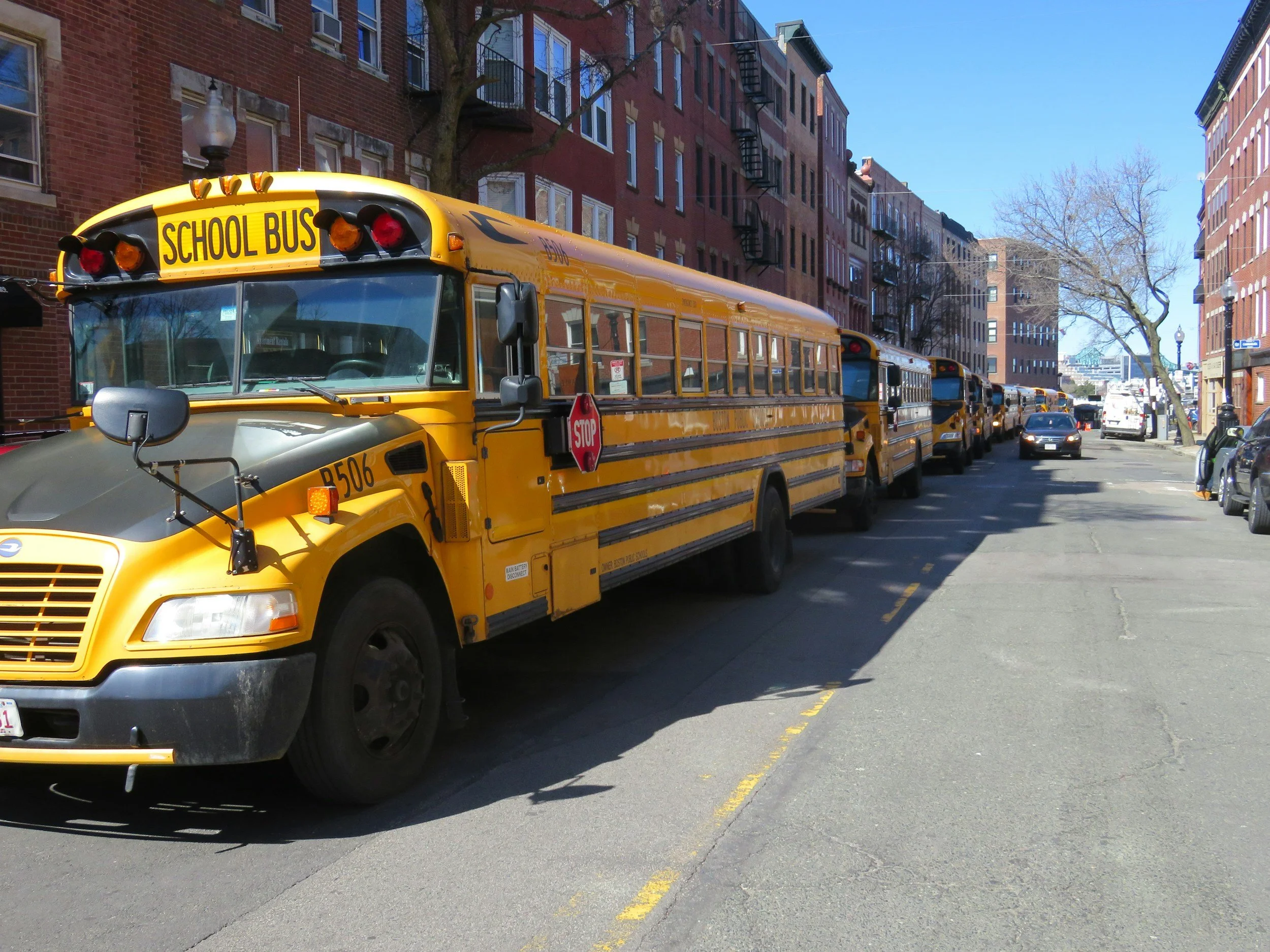
LifeWise Academy is a controversial, private, evangelical program targeting children ages 4-14 in public schools for Bible instruction during the school day. While now legal under Indiana law, school officials have no authority to vet the program that loads your kids on their red busses and drives them off school property.
LifeWise Academy: What Southern Indiana Parents Need to Know
Better Options Already Exist
Sunday school & church programs
Vetted volunteers
After-school religious programs
Family faith formation at home
Christian schools
Indiana offers vouchers
What Your School Cannot Do
Because Indiana is a "shall" state (HEA1137), schools must allow these programs but cannot:
Vet LifeWise staff or volunteers
Inspect where your child will be
Review what will be taught
Verify insurance or safety protocols
Warn you about concerns
Be held liable if something goes wrong
Important: Indiana schools have tried and failed to get LifeWise to provide standard background check documentation.
Additional Safety Concerns
LifeWise background checks don't include child abuse registries ⚠️
Documented problems in other states ⚠️
Eg: a program director in Firelands, Ohio, had her teaching license revoked following allegations of sexting with students ⚠️
Your child leaves school property with people the school hasn't vetted ⚠️
Your child is driven to buildings, sometimes trailers or garages, that have not been inspected or approved by your school ⚠️
What Can You Do?
Questions You Should Ask
May I see all background checks?
Do your background checks include child abuse registries?
How is my child being transported off school grounds?
Who is transporting my child?
May I see their driving record?
Where are classes held?
May I visit the facility?
What exactly am I waiving when I sign?
May I see the medical response policy should there be an accident or my child is injured?
Who is liable if my child is injured?
May I see ALL curriculum materials? Not only the sample
How do I withdraw if I change my mind?
Research You Can Do
Visit the facility
Meet the instructors
Read all materials & curriculum
Attend school board meetings
Question safety requirements & oversight
Talk to other parents - You're not alone in having concerns
Do not sign unless & until you're satisfied with the answers
If you can't get clear answers, do not sign.
How This Impacts All Students
(In addition to the safety concerns)
Kids who go miss class instruction (Even “specials” are critical to meeting core curriculum)
Kids who stay at school often get busywork or study hall, rather than important instruction
Public school teachers must manage disrupted schedules to accommodate private, off-campus program
Peer pressure: kids who attend are incented to recruit friends for rewards
Potential ostracizing: "in group" vs. "out group" & “othering”
The Bottom Line
LifeWise Academy may be legal in “shall” states like Indiana, and you may assume someone vetted this because it happens during school. They did not.
YOU must do the research.
YOU take all the risk.
Protecting Public Education for ALL Students
This document exists because schools are limited in their ability to provide this information. Concerned community members created it to help parents make informed decisions. This is for informational purposes and does not constitute legal advice. All information reflects good-faith opinions and is based on publicly available sources as of the date of publication that are subject to change.
Do Something Southern Indiana, Protect Public Education Committee
Indiana HEA 1137 (Public Law 138)
In 2024, language in the above law was changed from “may” to “shall” - transforming Indiana into what we are calling a “shall state.”
The Critical Change
Before July 1, 2024:
Public school principals “may” allow students to attend religious instruction when parents make a written request
This gave principals discretionary authority to approve or deny requests
After July 1, 2024:
Public school principals “shall” allow students to attend religious instruction when parents provide written notice
This makes accommodation mandatory - removing principal discretion entirely
Key Point
The language also changed from parents or caregivers making a “request” (implying permission needed) to providing “notice” (implying they’re informing the school of what will happen.)
Requirements That Still Apply
Must be off school property
Religious instruction must be privately funded
Written parental or caregiver notice must be given
Public school students can be off school property up to 120 minutes per week
Principal must work with parents to minimize disruption
This change effectively removed the ability of school administrators to evaluate whether individual programs meet constitutional standards or operational requirements—they must allow release upon parental notice, regardless of concerns about the specific program.
Flyer
The two-page flyer contains all the information above. Do Something Southern Indiana encourages you to right click the image, “save as” then download and distribute at community events or in emails. (You also can click directly on the images below and after image opens, right click and “save image as.”)


Video
Every parent and caregiver of students in The New Albany-Floyd County School District need deserves access to information and transparency when making decisions for their kids.
Check out this 3-minute video explaining some safety concerns and methods of the LifeWise program when engaging with young students.